What To Expect When Visiting During Harvest
Harvest is a rolling, weeks-long push that moves block by block, vineyard by vineyard, as grapes hit their ideal ripeness. Depending on the vintage, it typically runs from early September into October, though the exact timing shifts every year based on the growing season. No two harvests look alike.
A few things you'll likely notice as you drive the Willamette Valley:
Trucks and tractors share the road. Small trucks and trailers haul freshly picked fruit from vineyard to winery, often along the same country roads you're using to get to your next tasting. Build extra time into your drive between stops, and don't rush around blind curves.
Crush pads are active. During harvest, the crush pad (usually the open-air area near a winery's production building) becomes the busiest part of the property. You might see bins of just-picked grapes being sorted by hand, destemmers running, or the first juice of the vintage moving into tanks.
It's a sensory experience. The air around an active winery often carries the tangy, slightly sweet smell of fermentation drifting from open-top fermenters. Sorting tables hum and clatter as crews sift through clusters by hand. Crush pads build up a deep purple stain over the weeks, and stacked picking bins pile up near the vineyard rows. None of it is staged for visitors — it's simply what harvest looks, sounds, and smells like.
Experience the Willamette Valley During Harvest
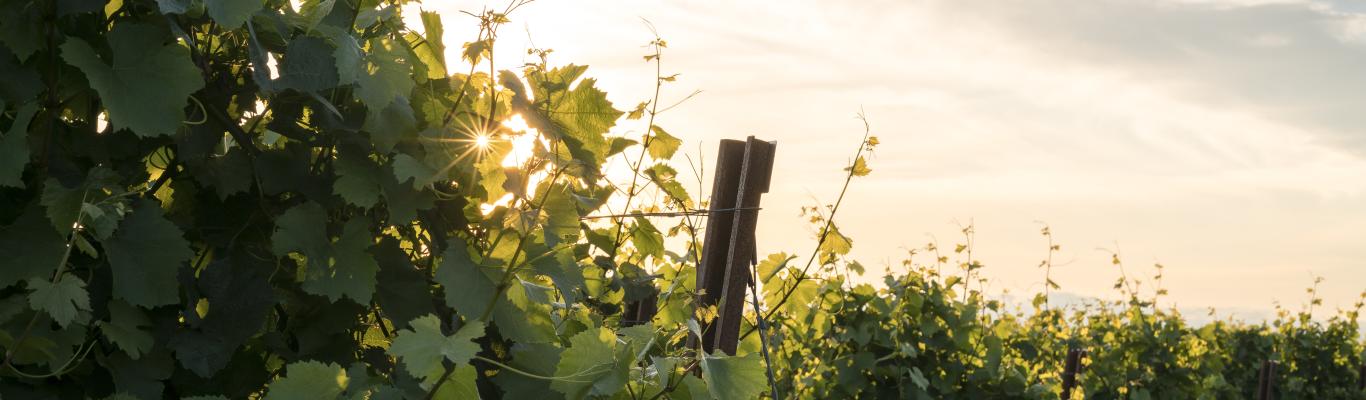
As vineyards transition from summer green to the warm colors of fall, the landscape takes on a distinctly seasonal feel. Visit tasting rooms throughout the valley to taste Willamette Valley wines, take in views of rolling hills covered in vines, and see the changing landscape firsthand. Depending on what time of day you visit, you may catch harvest activity happening, from grapes arriving at the winery to vineyard crews working among the rows.
Fall is also a great time to build a day around exploring wine country. Browse dog-friendly wineries and family-friendly wineries for a visit that works for everyone in your group. You can also browse wineries that welcome walk-in visitors, making it easy to stop for a tasting as you explore the valley. Turn the day into an experience of its own with a wine tour company that can take care of the driving, route, and winery stops.
Whether you're planning a dedicated wine-tasting trip or simply looking for a scenic fall day in the valley, harvest offers a chance to experience the Willamette Valley when the vineyards are at their most active, and the landscape is beginning to change.
Harvest Jargon
You don't need to know the difference between a punch-down and a pump-over to enjoy a fall visit to the valley, but it doesn't hurt, and it makes for good conversation with whoever's pouring your next glass.
Véraison: The point in late summer when grapes begin to change color and soften, signaling the final ripening stretch before harvest. For red varieties like Pinot Noir, this is when berries shift from green to purple.
Brix: A measurement of sugar content in grape juice, used by winemakers to help judge when fruit is ready to pick.
Crush pad: The open-air work area at a winery, usually just outside the production building, where incoming fruit is received, sorted, and processed. During harvest, it's the one of the busiest spot on the property.
Sorting table: A conveyor or stationary table where crews pick through harvested clusters by hand, removing leaves, unripe berries, or damaged fruit before it moves on to the crusher or fermenter.
Destemmer: A machine that separates grapes from their stems before fermentation. Some winemakers choose to leave a portion of stems in for certain wines, so you may hear this mentioned as a stylistic choice, not just a mechanical step.
Fermentation: The process by which yeast converts the sugar in grape juice into alcohol and carbon dioxide, turning must into wine. This typically begins within days of picking and can run for one to a few weeks depending on the wine.
Cap: The layer of grape skins, seeds, and pulp that rises to the top of a fermenting tank, pushed up by carbon dioxide released during fermentation.
Punch-down / pump-over: Two methods winemakers use during fermentation to keep grape skins in contact with the juice, which helps extract color, flavor, and tannin. A punch-down pushes the "cap" of skins down into the liquid; a pump-over draws juice from the bottom and sprays it over the top.